
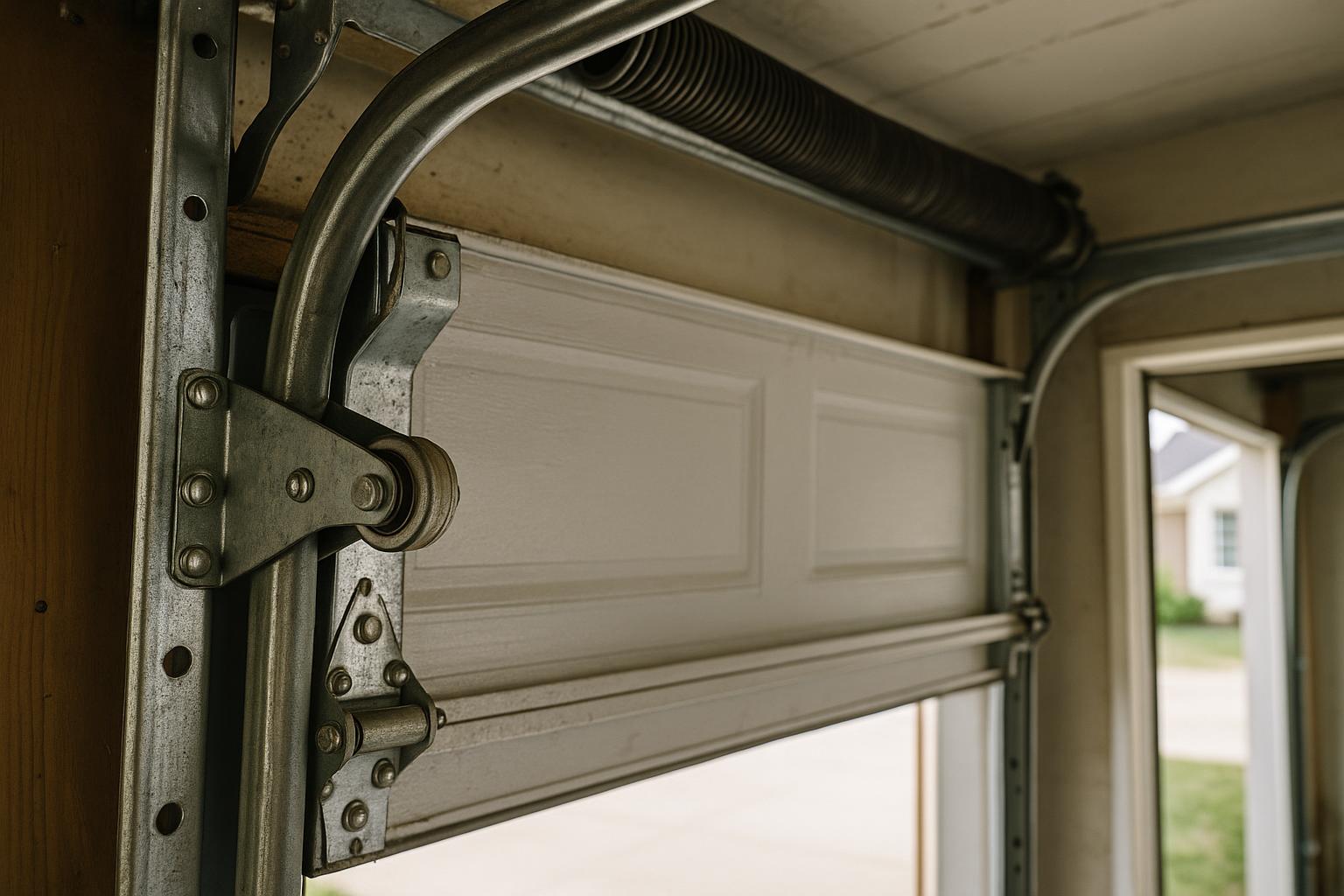
When Your Garage Door Starts Talking, You Should Listen
A garage door that operates smoothly should be relatively quiet. You might hear a gentle hum from the opener or a soft click when the door reaches the floor, but that's about it. So when your garage door suddenly starts grinding, squealing, popping, or banging, it's trying to tell you something.
For homeowners in Rockford, where temperature swings between brutal winters and humid summers put extra stress on garage door components, unusual noises are one of the most common complaints we hear. The good news is that most garage door noises point to identifiable, fixable problems. The key is knowing what each sound means so you can address the issue before it turns into a costly repair or a safety hazard.
Grinding or Scraping Sounds
A grinding or scraping noise is one of the more alarming sounds a garage door can make, and for good reason. This typically indicates metal-on-metal contact somewhere in the system, which means parts are wearing down quickly.
Common Causes
- Worn rollers: Garage door rollers guide the door along its tracks. When nylon rollers crack or steel rollers lose their bearings, they create a harsh grinding sound as the door moves. Rollers typically last 10,000 to 15,000 cycles, but Rockford's cold winters can accelerate wear.
- Misaligned tracks: If the vertical or horizontal tracks have shifted even slightly, the door can scrape against the metal as it travels. This causes damage to both the track and the door panels.
- Opener gear issues: Inside chain-drive and some belt-drive openers, there's a drive gear that can strip over time. A grinding noise from the opener unit itself often means this gear is failing.
If you hear grinding, stop using the door and inspect the rollers and tracks visually. Continuing to operate a door with misaligned tracks or broken rollers can cause the door to jump off the track entirely.
Squealing or Squeaking Noises
A high-pitched squeal or persistent squeak is usually the easiest noise to diagnose and often the simplest to fix.
Common Causes
- Lack of lubrication: Hinges, rollers, springs, and bearing plates all need periodic lubrication to operate quietly. Over time, lubricant dries out or washes away, especially after Rockford's rainy spring seasons.
- Worn hinges: The hinges that connect your door panels can develop play over time, causing a squeaking noise as the door bends through the curved portion of the track.
- Torsion spring friction: As torsion springs wind and unwind, the coils rub against each other. Without proper lubrication, this creates a noticeable squeal.
A quick application of a silicone-based or lithium-based garage door lubricant to all moving parts often eliminates squeaking entirely. We recommend lubricating your garage door components every six months — ideally in the spring and fall — to keep everything running quietly.
Banging or Slamming Sounds
A loud bang when your garage door opens or closes is harder to ignore and usually signals a more serious problem.
Common Causes
- Broken torsion spring: When a torsion spring snaps, it produces a loud bang that many homeowners mistake for something falling in the garage or even a gunshot. If you heard a sudden bang and now your door won't open, a broken spring is the most likely culprit.
- Loose hardware: Over thousands of cycles, nuts, bolts, and brackets can loosen. A loose track bracket or hinge bolt can cause a banging sound as the door vibrates during operation.
- Door panel issues: Damaged or warped panels can slap against the frame or each other, creating a banging noise at specific points during the door's travel.
A broken spring should always be handled by a professional. Torsion springs are under extreme tension and attempting a DIY repair can result in serious injury.
Rattling or Vibrating Sounds
Rattling is one of the most common garage door noises, and while it's often less urgent than grinding or banging, it shouldn't be ignored.
Common Causes
- Loose chain or belt: If your opener uses a chain drive, a loose chain will rattle and slap during operation. Belt-drive openers can also develop slack over time.
- Loose nuts and bolts: The constant vibration of daily use gradually loosens the hardware throughout your garage door system. A quick tightening of all visible nuts and bolts can often eliminate rattling.
- Unsecured opener: If the garage door opener unit itself isn't firmly mounted to the ceiling, the entire unit can vibrate and rattle during operation. This is especially common in older Rockford homes where the mounting hardware may have loosened over decades of use.
Rattling is usually a maintenance issue rather than a sign of imminent failure, but addressing it promptly prevents the loose components from causing secondary damage.
Popping or Clicking Sounds
A popping or clicking noise, especially when the door first starts moving, often points to spring or track issues.
Common Causes
- Springs adjusting under load: As torsion springs age, they can shift slightly on the shaft, causing a popping sound when they engage. This can also happen when temperature changes cause the metal to expand or contract.
- Dirty or obstructed tracks: Debris, rust, or small dents in the tracks can cause the rollers to pop or click as they pass over the obstruction.
- Worn opener gears: Plastic drive gears inside the opener can develop flat spots or missing teeth, producing a rhythmic clicking sound.
When to DIY and When to Call a Professional
Some garage door noise issues are safe for homeowners to address on their own. Lubricating moving parts, tightening loose hardware, and cleaning the tracks are all reasonable DIY tasks that can make a big difference.
However, certain repairs should always be left to trained technicians:
- Spring replacement or adjustment — The tension involved makes this dangerous without proper tools and training.
- Track realignment — Improperly adjusted tracks can cause the door to fall.
- Opener motor or gear repair — Electrical components require expertise to service safely.
- Cable repair — Like springs, cables are under tension and can cause injury if mishandled.
Keep Your Garage Door Running Quietly
The best way to prevent noisy garage door problems is with regular maintenance. A professional tune-up once a year catches small issues before they become loud, expensive ones. During a maintenance visit, a technician will lubricate all moving parts, tighten hardware, inspect springs and cables, test the balance of the door, and check the opener for signs of wear.
At Rockford Garage Door Service, we help homeowners and businesses across Rockford, Loves Park, Machesney Park, and the surrounding communities keep their garage doors operating safely and quietly. If your garage door is making a noise that doesn't sound right, don't wait for the problem to get worse. Give us a call, and we'll diagnose the issue and get things running smoothly again.